




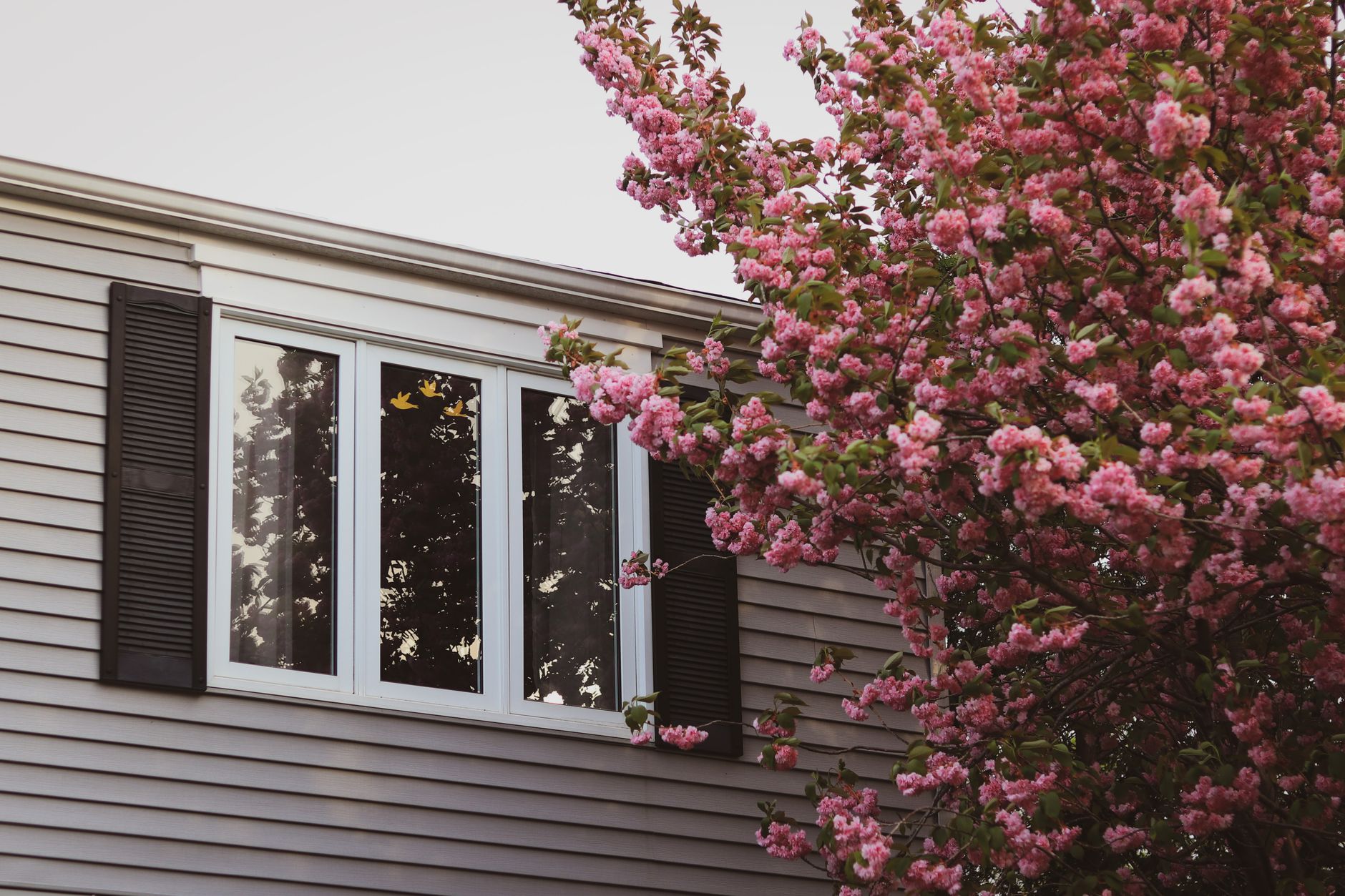
Spring Home Exterior Maintenance Checklist. Learn to protect your roof, walls, and smart systems to increase home value today.
Spring in 2027 arrives with unique environmental challenges and advanced home technologies that require your immediate attention. Preparing your home for the warmer months is no longer just about aesthetics; it is about protecting a high-value asset in an era of fluctuating weather patterns.
By following a structured maintenance plan, you can prevent costly repairs and ensure your property remains resilient against the elements. This guide provides a comprehensive breakdown of everything you need to inspect and service this season.
Key Takeaways for 2027 Home Maintenance:
- Prioritize roof and gutter inspections to handle intensified spring rainfall.
- Calibrate smart home exterior sensors and security systems for optimal performance.
- Check foundation integrity and soil grading to prevent moisture-related structural issues.
- Service high-efficiency HVAC units and solar arrays to maximize energy savings.
- Refresh exterior seals and paints to protect against higher UV index levels.
Guide to Inspecting Your Roof and Chimney Systems
Your roof remains the first line of defense against the increasingly volatile spring storms predicted for 2027. Start by performing a visual inspection from the ground using binoculars or a high-definition drone to spot missing or damaged shingles.
Look specifically for curling edges or bald spots where granules have washed away, as these indicate the material is nearing the end of its lifespan. If you have a metal roof, check for any signs of oxidation or loosened fasteners that may have shifted during the winter freeze-thaw cycles.
Chimney maintenance is equally vital, especially regarding the masonry and the chimney cap. Ensure the mortar between bricks is not crumbling and that the metal cap is securely in place to prevent birds or debris from entering the flue.
Pay close attention to the flashing around the base of the chimney and vent pipes. This waterproof seal is often the first point of failure, leading to slow leaks that can damage your attic insulation and ceiling drywall.
How to Optimize Gutter Systems and Perimeter Drainage
Gutters must be completely clear of winter debris to manage the heavy downpours common in the 2027 spring forecast. Clogged gutters lead to water overflowing and pooling at your foundation, which is the primary cause of basement flooding.
Remove all leaves, twigs, and sediment buildup by hand or using a specialized gutter vacuum system. Once clear, flush the system with a garden hose to ensure that water flows freely through the downspouts and away from the house.
Check the alignment of your gutters to ensure they are still sloped correctly toward the downspouts. Heavy snow loads from the previous winter can often bend hangers or cause the troughs to sag, leading to standing water and mosquito breeding grounds.
Verify that your downspout extensions are directing water at least six to ten feet away from your foundation. In 2027, many homeowners are integrating these with rain gardens or underground cisterns to promote sustainable water management on their property.
Solution for Exterior Walls, Siding, and Foundation Care
Examine the exterior skin of your home, whether it is vinyl siding, fiber cement, brick, or stucco. Look for cracks, holes, or warping that could allow moisture and pests to penetrate the building envelope.
Pressure wash your siding to remove mold, mildew, and pollutants that can degrade the finish over time. Use a low-pressure setting to avoid forcing water behind the siding panels, which can cause hidden rot and structural damage.
Foundation inspection is a critical step that should never be skipped during your spring routine. Walk the entire perimeter of your home and look for hairline cracks or significant gaps in the concrete or masonry.
Small cracks can often be sealed with high-quality epoxy or polyurethane injections to prevent further widening. However, if you notice cracks wider than a quarter-inch or signs of horizontal shifting, consult a structural engineer immediately to assess the stability.
Guide to High-Performance Windows and Door Maintenance
Windows and doors are key components of your home’s energy efficiency and security. Inspect the caulking around the frames and replace any dried-out or cracked material to maintain an airtight seal.
Check the weatherstripping on all entry doors to ensure it still creates a tight fit when the door is closed. This simple task can significantly reduce your cooling costs as the temperatures begin to rise in late spring.
Test the functionality of your window locks and the smoothness of the tracks. Lubricate hinges and sliding mechanisms with a silicone-based spray to prevent wear and ensure easy operation during emergency exits.
In 2027, many windows feature integrated smart tints or low-E coatings that require specific cleaning agents. Always refer to the manufacturer’s guidelines to avoid stripping away protective layers that reflect heat and UV rays.
Tutorial for Landscaping, Grading, and Soil Health
Spring is the ideal time to evaluate the grading of the soil around your home’s perimeter. The ground should slope away from the foundation at a rate of at least six inches for every ten feet to ensure proper drainage.
Fill in any low spots where water tends to puddle with a mixture of topsoil and clay. This prevents the soil from becoming over-saturated, which can put immense hydrostatic pressure on your foundation walls.
Assess the health of your trees and shrubs, focusing on branches that may have grown too close to the roof or power lines. Prune back any vegetation that is within three feet of the house to improve airflow and prevent pests from jumping onto your siding.
Test your irrigation system for leaks or broken sprinkler heads before you start your regular watering schedule. Modern 2027 irrigation controllers should be calibrated to account for local weather data to minimize water waste and promote deep root growth.
Cost Details and Comparison of Maintenance Strategies
Deciding between a DIY approach and hiring professionals depends on your technical skill and the complexity of your home’s systems. Below is a comparison of common maintenance tasks and their estimated costs for the 2027 season.
| Maintenance Task | DIY Estimated Cost | Professional Estimated Cost | Recommended Frequency |
|---|---|---|---|
| Gutter Cleaning & Repair | $25 – $50 | $150 – $350 | Twice Yearly |
| Exterior Power Washing | $40 (Rental) | $250 – $500 | Annually |
| Window Seal Inspection | $15 (Caulk) | $100 – $200 | Annually |
| HVAC Exterior Service | $20 (Filter/Clean) | $150 – $300 | Twice Yearly |
| Roof Drone Inspection | $0 (Own Drone) | $200 – $450 | Annually |
While DIY can save money, professional inspections often include warranties and more specialized equipment. For high-risk tasks like roof work or electrical servicing, the investment in a professional can prevent expensive mistakes.
Analysis: Transitioning to Predictive Maintenance in 2027
The year 2027 marks a shift from reactive maintenance to predictive care through the use of IoT (Internet of Things) sensors. Homeowners are now installing moisture sensors in crawlspaces and vibration sensors on HVAC units to catch issues before they become failures.
If you have integrated smart home tech, your spring checklist must include a firmware audit for all exterior devices. Ensure that your smart locks, doorbell cameras, and exterior lighting arrays are running the latest security patches to protect against digital intrusions.
Check the battery health of any wireless sensors and clean the lenses of all outdoor cameras. Dust and pollen buildup can significantly degrade the AI object detection capabilities that these systems rely on for security.
Solar panel maintenance is also a priority for 2027 homeowners looking to offset rising energy costs. A thin layer of spring pollen can reduce panel efficiency by up to 20%, so a gentle cleaning with deionized water is highly recommended.
Conclusion
Investing time into a spring home exterior maintenance checklist ensures that your property remains a safe and valuable sanctuary. By addressing small issues like minor cracks or clogged gutters now, you avoid the massive financial burden of structural repairs later in the year.
Stay proactive with your 2027 home care routine by combining traditional physical inspections with modern digital diagnostics. A well-maintained exterior not only boosts curb appeal but also provides the peace of mind that your home is ready for whatever the season brings.