




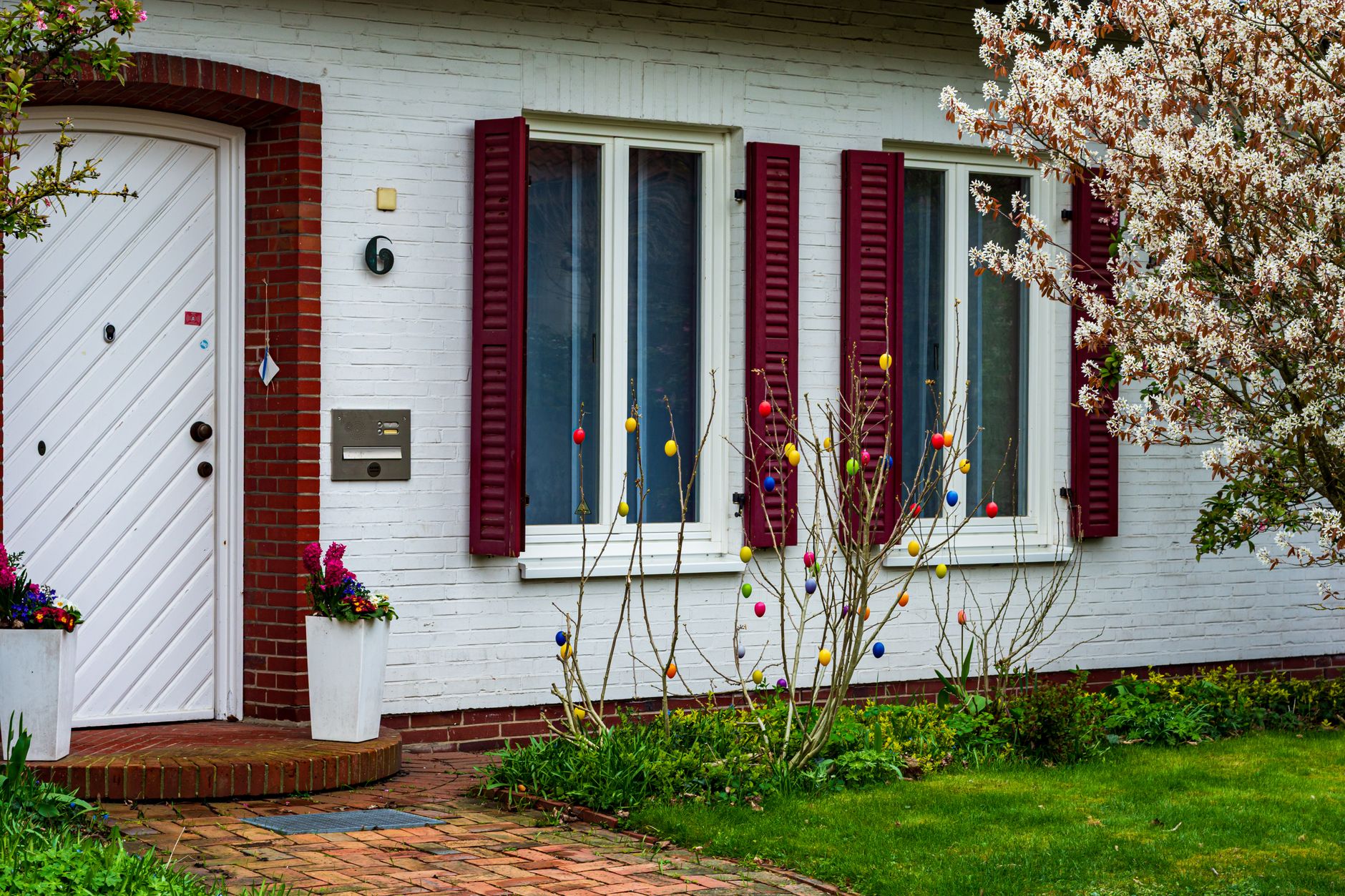
Best Spring Curb Appeal Ideas for a Complete Exterior Home Makeover. Boost your home value with expert landscaping and lighting.
Spring is the quintessential season for rejuvenation, making it the perfect time to breathe new life into your property’s exterior. Enhancing your home’s curb appeal is not just about aesthetics; it is a strategic investment that significantly boosts market value and neighborhood pride.
Whether you are planning to sell or simply want to enjoy a refreshed living space, a complete exterior makeover can transform a dull facade into a stunning masterpiece. This guide provides comprehensive, actionable insights to help you navigate the process of upgrading your home’s first impression.
Key Takeaways for Your Spring Makeover:
- Focus on the front door as the primary focal point of the home.
- Incorporate layered landscaping with a mix of perennials and seasonal annuals.
- Upgrade exterior lighting to enhance safety and nighttime visual appeal.
- Perform deep cleaning and maintenance on all hardscape surfaces.
- Invest in high-quality hardware and house numbers for a modern touch.
Best Spring Curb Appeal Ideas for a Complete Exterior Home Makeover
The best spring curb appeal ideas focus on creating a harmonious balance between natural elements, structural upgrades, and meticulous maintenance. By addressing the front entryway, greenery, and lighting simultaneously, you create a cohesive look that feels both welcoming and professionally designed.
A complete makeover starts with identifying the strengths and weaknesses of your current exterior architecture. Once you understand the baseline, you can implement high-impact changes like painting the front door, installing stone pathways, or adding symmetrical planters to the porch.
The Power of a Bold Front Door
Your front door is the handshake of your home, setting the tone for the entire interior experience. A fresh coat of high-quality exterior paint in a trending color like sage green, navy blue, or classic charcoal can make an immediate impact.
Consider the architecture of your house when choosing a color palette to ensure the door complements the siding and trim. Beyond paint, replacing old, tarnished handlesets with modern matte black or brushed brass hardware adds a sophisticated, custom-built feel.
Landscaping Strategies for Visual Depth
Effective landscaping involves more than just planting flowers; it requires a structural approach to garden beds and lawn health. Begin by defining your garden edges with brick, stone, or professional-grade plastic edging to create clean lines that satisfy the eye.
Layer your plants by placing taller shrubs in the back, medium-sized perennials in the middle, and low-growing groundcovers or annuals in the front. This technique creates a three-dimensional effect that makes your yard appear larger and more lush than a flat, single-level garden.
How to Plan Your Spring Home Exterior Renovation
Planning a successful exterior renovation requires a clear timeline and a prioritized list of tasks based on your budget and skill level. Start by walking across the street and looking at your home through the eyes of a stranger to identify the most glaring issues.
Create a master list that separates “quick wins,” such as pressure washing and mulching, from “long-term projects,” like replacing siding or installing a new driveway. This organized approach ensures that you manage your resources efficiently while achieving a consistent aesthetic upgrade.
Selecting the Right Color Palette
A cohesive exterior color scheme typically consists of three parts: the body, the trim, and the accent color. The body is the dominant color of the siding, while the trim covers window frames and rooflines, and the accent is reserved for doors and shutters.
For a modern spring look, many homeowners are moving toward “greige” or soft whites for the body with dark, contrasting trim. Always test paint samples in different lighting conditions throughout the day, as the spring sun can drastically change how a color appears on a large surface.
Prioritizing Hardscape Repairs
Hardscaping refers to the non-living elements of your yard, such as walkways, patios, and retaining walls. Inspect these areas for cracks, uneven stones, or moss buildup that can occur during the damp winter months.
Repairing a cracked concrete walkway or re-leveling paver stones prevents safety hazards and instantly makes the property look better maintained. If your budget allows, replacing a standard concrete path with flagstone or decorative pavers can elevate the entire look of the front yard.
Essential Curb Appeal Maintenance Checklist
Regular maintenance is the foundation of long-lasting curb appeal and prevents minor issues from becoming expensive repairs. A thorough spring cleaning of the exterior removes winter grime, salt residue, and organic growth that can damage building materials.
This checklist should be performed annually to ensure your home remains in peak condition and retains its aesthetic value. Focus on high-visibility areas first, such as the entryway, front windows, and the primary lawn area near the sidewalk.
- Pressure Washing: Clean the siding, driveway, and sidewalks to remove mold, mildew, and dirt.
- Gutter Cleaning: Remove debris from gutters and downspouts to prevent water damage and unsightly overflow.
- Window Washing: Clean both the interior and exterior of windows to allow more light in and improve the home’s sparkle.
- Lawn Care: Aerate the soil, apply pre-emergent weed control, and overseed any bare patches in the grass.
- Mulching: Apply a fresh 2-to-3-inch layer of mulch to garden beds to retain moisture and suppress weeds.
Maximizing the Impact of Greenery
Integrating native plants into your spring makeover is a sustainable way to ensure your landscaping thrives with minimal intervention. Native species are adapted to your local climate and soil conditions, meaning they require less water and fewer pesticides than exotic varieties.
Add window boxes or large porch planters filled with vibrant spring blooms like pansies, tulips, or hydrangeas to provide pops of color at eye level. These portable garden elements allow you to change your home’s look seasonally without major digging or permanent changes.
Cost Details and Budgeting for Exterior Makeovers
Budgeting for a curb appeal project depends heavily on whether you choose a DIY approach or hire professional contractors for specialized tasks. Small updates can cost as little as $100, while a total transformation involving new siding and professional landscaping can exceed $10,000.
Understanding the average costs of common spring upgrades helps you allocate your funds toward the projects that offer the highest return on investment. Below is a breakdown of estimated costs for popular spring curb appeal projects.
| Project Category | Estimated DIY Cost | Estimated Professional Cost | Impact Level |
|---|---|---|---|
| Front Door Painting & Hardware | $50 – $150 | $300 – $600 | Very High |
| Pressure Washing (Full House) | $40 (Rental) | $250 – $500 | High |
| Basic Landscaping & Mulch | $200 – $500 | $1,000 – $2,500 | High |
| Exterior Lighting Upgrade | $100 – $300 | $500 – $1,200 | Medium |
| New House Numbers & Mailbox | $75 – $200 | $250 – $450 | Medium |
Managing Your Renovation Budget
To stay within budget, prioritize projects that fix existing damage before moving on to purely decorative upgrades. For example, repairing a rotting porch step is more critical than buying new outdoor furniture for the same area.
You can also save money by shopping for plants at local nurseries during mid-week sales or buying mulch in bulk rather than individual bags. Small, incremental changes often have a cumulative effect that rivals a single, expensive renovation project.
Solution: Overcoming Common Landscaping Challenges
Many homeowners face specific environmental challenges that can hinder their spring curb appeal efforts, such as heavy shade or poor soil drainage. Identifying these issues early allows you to implement targeted solutions rather than wasting money on plants that will not survive.
For areas with heavy shade under large trees, opt for shade-loving plants like hostas, ferns, or bleeding hearts instead of traditional sun-seekers. If your yard suffers from poor drainage, consider installing a French drain or creating a beautiful rain garden with water-tolerant species.
Troubleshooting Peeling Paint and Siding Issues
If you notice peeling paint on your trim or siding, it is often a sign of moisture trapped behind the surface or poor initial preparation. Before repainting, you must scrape away the loose flakes, sand the area smooth, and apply a high-quality primer to ensure the new coat adheres properly.
In cases where siding is cracked or warped beyond repair, it may be time to consider partial replacement or upgrading to fiber-cement siding. Fiber-cement is highly durable, fire-resistant, and holds paint much longer than traditional wood siding, offering a better long-term value.
Strategic Lighting for Safety and Style
Exterior lighting serves a dual purpose by illuminating paths for safety and highlighting the architectural features of your home at night. Use a variety of lighting types, such as path lights, spotlights for trees, and wall-mounted lanterns, to create a layered lighting scheme.
Solar-powered lights are an excellent DIY option for walkways, as they require no wiring and are easy to install in minutes. For a more permanent solution, low-voltage LED systems offer consistent brightness and can be programmed with timers or smart home controllers.
The Importance of Symmetry and Balance
Humans are naturally drawn to symmetry, which signals order and care in a home’s design and maintenance. You can achieve this by placing identical planters on either side of the front door or installing matching sconce lights on the porch.
If your home’s architecture is asymmetrical, you can create balance through the strategic use of landscaping and color. For example, a large tree on one side of the house can be balanced by a cluster of smaller shrubs and a brightly colored bench on the other side.
Upgrading Functional Elements
Often overlooked, functional elements like gutters and downspouts can be integrated into your home’s design rather than just being eyesores. Consider replacing standard white aluminum gutters with copper or dark bronze versions that add a touch of luxury.
Similarly, a high-quality, modern mailbox and clearly visible house numbers improve the home’s functionality for delivery drivers and emergency services. Choose fonts and finishes for your house numbers that match your front door hardware for a polished, intentional look.
Creating a Welcoming Porch Environment
If you have a front porch, treat it as an extension of your indoor living space by adding comfortable seating and decorative accents. A pair of classic rocking chairs or a modern outdoor bench creates an inviting atmosphere that encourages neighborly interaction.
Add an outdoor rug to define the space and introduce texture, ensuring the material is rated for exterior use to prevent mold. Hanging baskets filled with trailing flowers can add vertical interest and privacy to your porch area without the need for walls.
Final Touches for a Professional Finish
The difference between a good makeover and a great one lies in the attention to the smallest details. Take the time to hide unsightly items like garden hoses, trash cans, and air conditioning units behind decorative lattice or small privacy fences.
Ensure that all metal surfaces, such as railings and light fixtures, are free of rust and have a consistent finish throughout the property. Finally, keep your lawn neatly edged and your walkways swept to maintain that “just finished” look throughout the entire spring and summer seasons.
By following these comprehensive steps, you can achieve a dramatic transformation that makes your home the envy of the block. A successful spring curb appeal makeover is a rewarding project that pays dividends in both personal enjoyment and financial equity.
Conclusion
Investing in your home’s exterior this spring is a powerful way to enhance your living environment and protect your property’s value. From the simple act of painting a front door to the complexity of a complete landscaping overhaul, every effort contributes to a better first impression.
Remember that curb appeal is an ongoing process of maintenance and refinement rather than a one-time task. By staying proactive and addressing the needs of your home’s facade each year, you ensure that your property remains beautiful, functional, and welcoming for years to come.