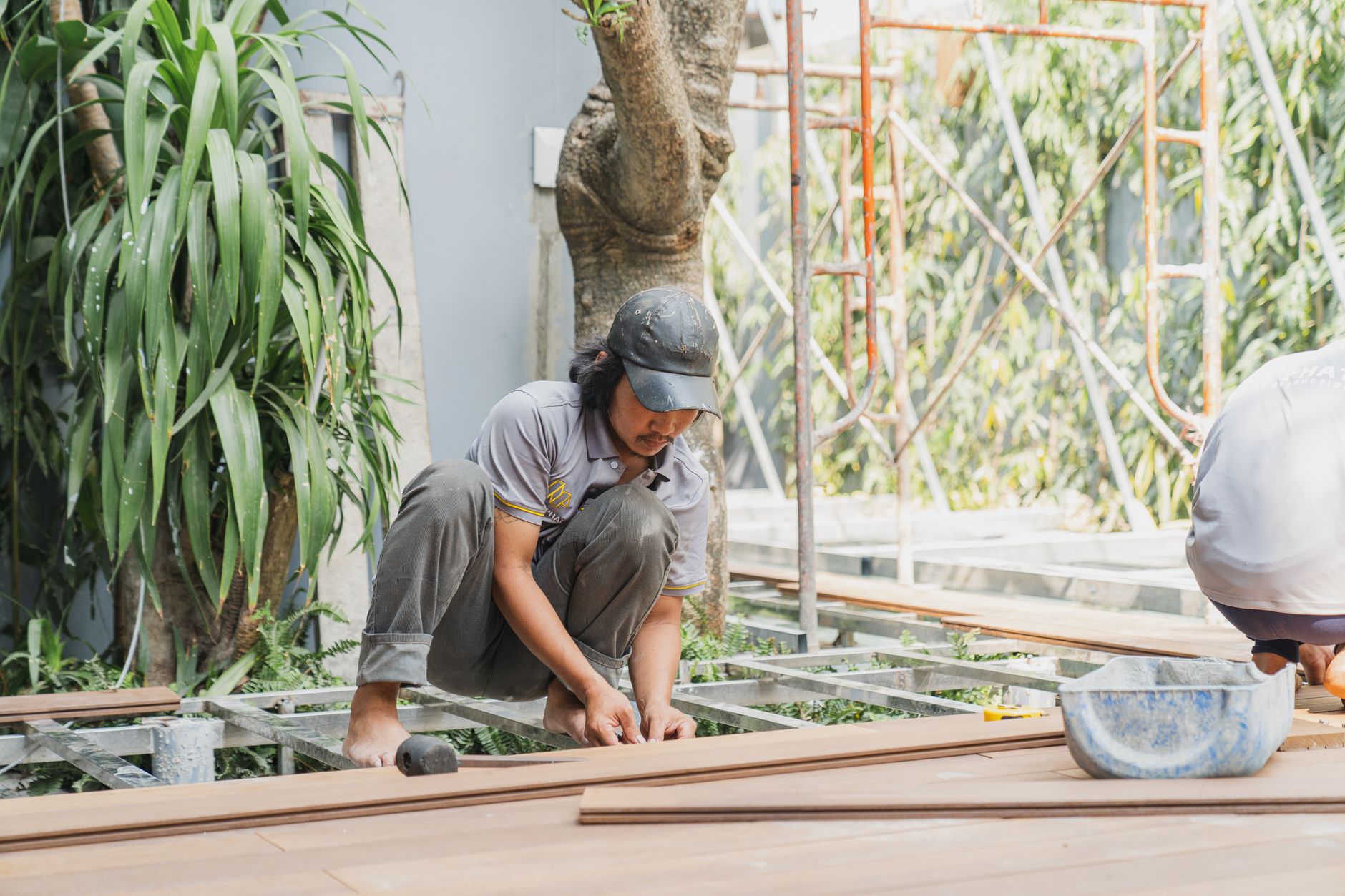
Planning a home renovation requires a clear understanding of shifting market dynamics, especially when looking at the projected deck replacement cost in 2026. As homeowners prioritize outdoor living spaces, the costs associated with materials and professional labor continue to evolve based on supply chain stability and technological advancements in synthetic materials.
Anda must consider that a deck is no longer just a wooden platform but a complex structural extension of your home. This guide provides a comprehensive breakdown of what you can expect to pay for a full deck replacement in the coming year.
Key Takeaways for 2026 Deck Planning:
- The average deck replacement cost in 2026 ranges from $15,000 to $35,000 for standard mid-sized projects.
- Material choices, particularly high-performance composites, now represent the largest portion of the upfront investment.
- Labor rates have stabilized but remain high due to the demand for certified specialized contractors.
- Structural upgrades to meet 2026 safety codes may add 10-15% to traditional framing costs.
- Smart features and integrated lighting are becoming standard expectations for modern property appraisals.
How Much Does a Deck Replacement Cost in 2026?
The total cost for a deck replacement in 2026 generally falls between $35 and $75 per square foot, depending on the complexity and materials chosen. For a standard 200-square-foot deck, Anda should budget approximately $12,000 for basic wood and up to $22,000 for premium capped composite.
Cost increases in 2026 are primarily driven by stricter environmental regulations on timber harvesting and the rising popularity of long-lasting, low-maintenance synthetic boards. While the initial price might seem high, the long-term value and reduced maintenance costs of modern materials often justify the expense.
Anda will find that regional price variations remain significant, with urban coastal areas seeing higher labor premiums compared to rural inland locations. Total project costs include the demolition of the old structure, site preparation, new framing, decking boards, railings, and legal permitting fees.
Comparison of Decking Material Prices in 2026
Selecting the right material is the most critical decision impacting your total budget and the future maintenance schedule of your outdoor space. In 2026, the market is divided between traditional treated lumber, premium hardwoods, and advanced composite or PVC options.
Pressure-treated wood remains the most affordable entry point, though its price has seen moderate climbs due to processing costs. Composite decking has become the industry standard for durability, offering a 25-to-30-year lifespan that appeals to most modern homeowners.
| Material Type | Cost Per Square Foot (Materials Only) | Expected Lifespan | Maintenance Level |
|---|---|---|---|
| Pressure-Treated Pine | $8 – $12 | 10-15 Years | High (Staining/Sealing) |
| Cedar or Redwood | $15 – $22 | 20+ Years | Moderate (Natural Oils) |
| Mid-Range Composite | $18 – $28 | 25-30 Years | Low (Soap and Water) |
| Premium Capped Polymer (PVC) | $30 – $45 | 50 Years | Minimal |
| Ipe (Tropical Hardwood) | $35 – $55 | 40+ Years | Moderate (Oiling for Color) |
Anda should also factor in the cost of the substructure or framing, which typically uses pressure-treated lumber even if the surface boards are composite. In 2026, many contractors are recommending light-gauge steel framing for high-end projects to prevent the frame from rotting before the decking boards wear out.
Steel framing adds roughly $15 to $20 per square foot to the material cost but provides a perfectly level surface that will not warp over time. This is particularly beneficial for large, multi-level decks where structural integrity is paramount.
Labor and Installation Rates for 2026 Projects
Professional labor for deck installation in 2026 typically accounts for 40% to 55% of the total project cost. Expert deck builders now charge between $15 and $35 per square foot for labor alone, depending on the height and complexity of the structure.
Anda must realize that demolition and disposal of an existing deck add a specific labor layer that many forget to budget for. Removing an old deck usually costs between $800 and $2,500, depending on the size and whether the footings need to be extracted.
Complex designs involving curved boards, custom stairs, or multi-level transitions require higher skill levels and more man-hours. In 2026, specialized tools for hidden fastening systems have become standard, which slightly increases labor efficiency but requires higher-paid, trained technicians.
We recommend verifying that your contractor carries specific liability insurance and is familiar with the latest NADRA (North American Deck and Railing Association) safety standards. Hiring an uncertified laborer might save money initially, but it risks failure during building inspections or future structural issues.
Permit Requirements and Building Regulations
Before any construction begins, Anda must secure the necessary permits from your local building department to ensure the deck meets 2026 safety codes. Permit fees for a deck replacement typically range from $200 to $600, depending on your municipality and the project’s estimated value.
Recent updates in building codes have placed a heavier emphasis on lateral load connections and specific railing height requirements. These regulations are designed to prevent deck collapses, which are a significant safety concern for older structures being replaced.
Your contractor should handle the submission of blueprints and schedule the required inspections during the framing and final stages. Failing to obtain a permit can lead to fines, the forced removal of the structure, and significant complications when Anda tries to sell the property in the future.
In many regions, 2026 regulations also require specific fire-resistant materials if your home is located in a Wildland-Urban Interface (WUI) zone. This can restrict your material choices to specific fire-rated composites or treated hardwoods to comply with local safety laws.
Case Study: 2026 Cost Analysis for a 250-Square-Foot Deck
To provide a realistic view of the budget, let’s look at a typical case study of a homeowner replacing a failing 15×16 foot wooden deck. This scenario involves removing an old cedar deck and replacing it with a modern mid-range capped composite system.
In this simulation, the site is level, but the deck is elevated six feet off the ground, requiring stairs and a complete railing system. The homeowner opted for a hidden fastener system to create a smooth, nail-free surface for better aesthetics and safety.
| Project Component | Estimated 2026 Cost | Description |
|---|---|---|
| Demolition & Haul Away | $1,500 | Removal of old cedar boards and frame. |
| New Concrete Footings | $1,200 | Four new piers to meet current frost-line codes. |
| Framing (Treated Lumber) | $3,800 | Beams, joists, and ledger board attachment. |
| Composite Decking Boards | $6,500 | Mid-tier capped composite with 25yr warranty. |
| Railing System (Aluminum) | $3,200 | Pre-fabricated powder-coated black rails. |
| Labor (Professional Crew) | $7,500 | Full installation including stairs. |
| Permits & Design Fees | $500 | City filing and structural drawings. |
| Total Investment | $24,200 | Final turnkey price for the project. |
This case study illustrates that while materials are a major factor, the ancillary costs like railings and stairs often surprise homeowners. By choosing a mid-range composite, the homeowner in this case study ensures they won’t need to spend $800 annually on staining and sealing.
Anda should note that adding features like built-in LED lighting or a cocktail rail would have increased this specific budget by approximately $2,500. It is vital to prioritize structural integrity over cosmetic upgrades if the budget becomes tight during the planning phase.
Factors Influencing Your Total Deck Investment
Every property presents unique challenges that can either reduce or inflate the deck replacement cost in 2026. One of the primary factors is the height of the deck; a ground-level platform is significantly cheaper than a second-story balcony due to the complexity of bracing and footings.
The choice of railing also plays a massive role in the final invoice, as custom glass or cable railings can cost three times as much as standard wood or aluminum. Cable railings are popular in 2026 for their ability to preserve views, but they require specialized tensioning labor.
Site access is another hidden cost factor that Anda must discuss with your contractor before signing a contract. If the backyard is difficult to reach with machinery or if materials must be carried through the house, labor costs will increase accordingly.
Finally, the timing of your project can lead to savings; booking a contractor for a late autumn or early winter installation may result in a 5% to 10% discount. During the peak spring rush, prices are at their highest, and the best crews are often booked months in advance.
How to Optimize Your Deck Budget Without Sacrificing Quality
If the projected costs for 2026 exceed your initial expectations, there are several strategic ways to bring the numbers down without compromising safety. Anda can choose a rectangular design rather than one with multiple angles or curves, which simplifies both the framing and the board layout.
Another effective strategy is to mix materials; for instance, use high-end composite for the surface boards where you walk, but use more affordable aluminum or wood for the railings. This “hybrid” approach focuses your investment on the areas that experience the most wear and tear.
Doing the demolition yourself is a viable way to save roughly $1,000, provided Anda have the tools and a way to dispose of the debris. However, we advise against doing the framing or structural ledger attachment yourself unless Anda have significant construction experience.
Lastly, consider the “phased build” approach where the main deck is completed first, and features like pergolas, outdoor kitchens, or decorative lighting are added in subsequent years. This allows Anda to get the functional space now while spreading the financial impact over a longer period.
Conclusion
The deck replacement cost in 2026 reflects a more mature market where longevity and low maintenance are the primary drivers of value. While a $20,000+ price tag for a mid-sized deck is common, the improvement to your quality of life and the increase in property value remain strong.
Anda should focus on hiring reputable contractors who provide transparent quotes and prioritize modern building codes. By choosing durable materials and a smart design, your new deck will serve as a beautiful, safe, and cost-effective retreat for decades to come.